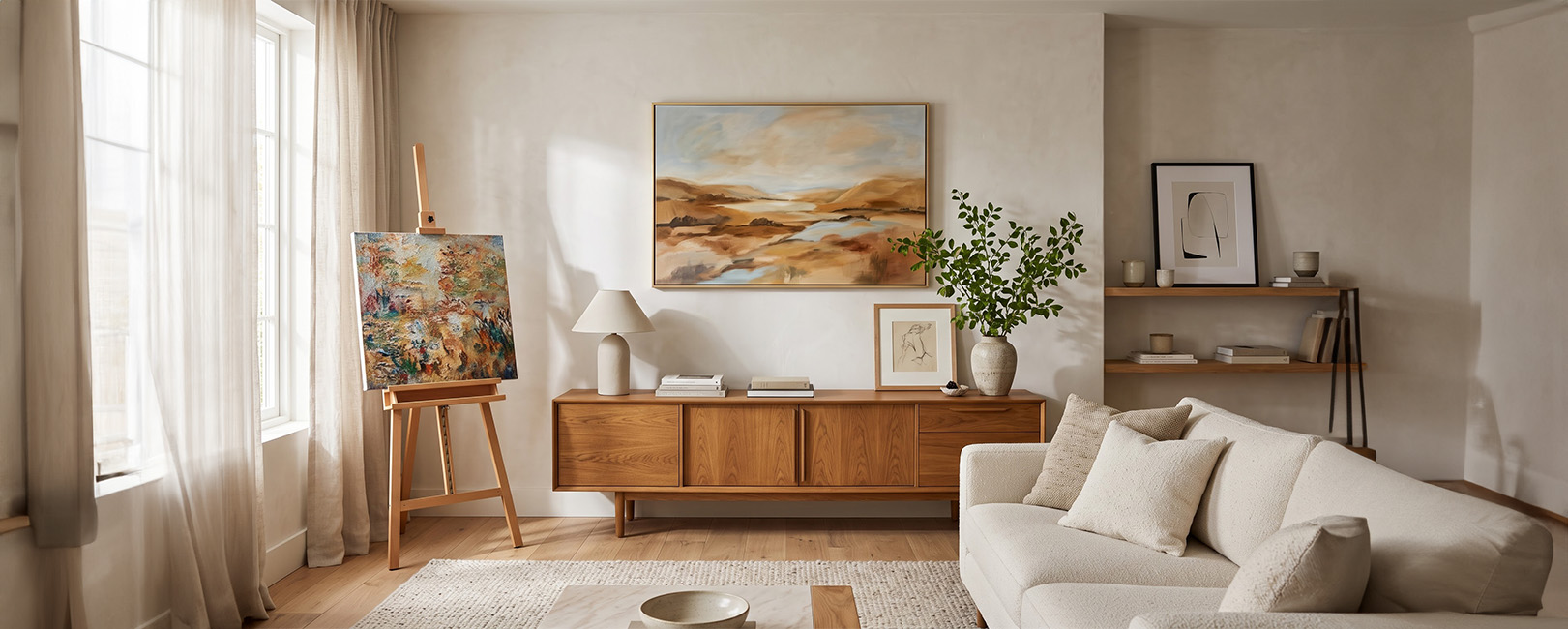
Bringing original art into your home is more than a design choice it’s a way to express who you are. Every original piece carries its own story, character, and creative spirit, adding a personal touch that mass-produced prints and décor can’t replicate. Over time, it becomes part of your space, creating memories, inspiring conversations, and growing more meaningful with every passing day.
Choosing your first original artwork, however, can come with a few uncertainties. What size will look best? Where should you display it? How can you make sure it complements your existing interiors? The good news is that finding the right artwork doesn’t have to be complicated. With a little guidance, you can explore your options with confidence. This guide will help you understand the essentials from choosing the ideal room and scale to considering materials and finishes so you can find an original piece that feels naturally at home in your space.
In This Guide, We’ll Explore:
Choosing the Perfect Size
Complementing Your Interior Style
Displaying Art Beautifully
Understanding Art Materials
Finding Art for Every Room
Finding Art for Every Room
Living Room
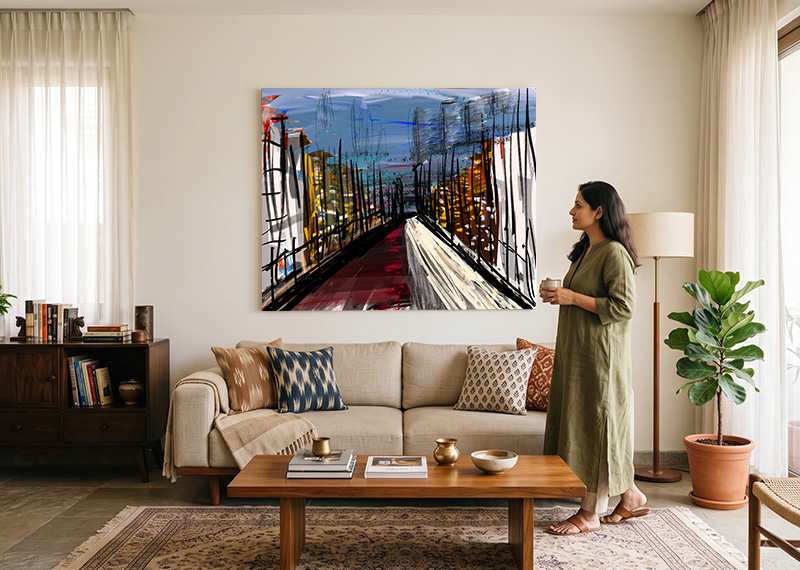
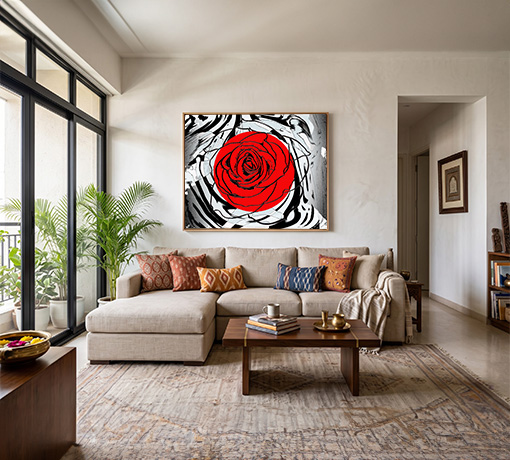
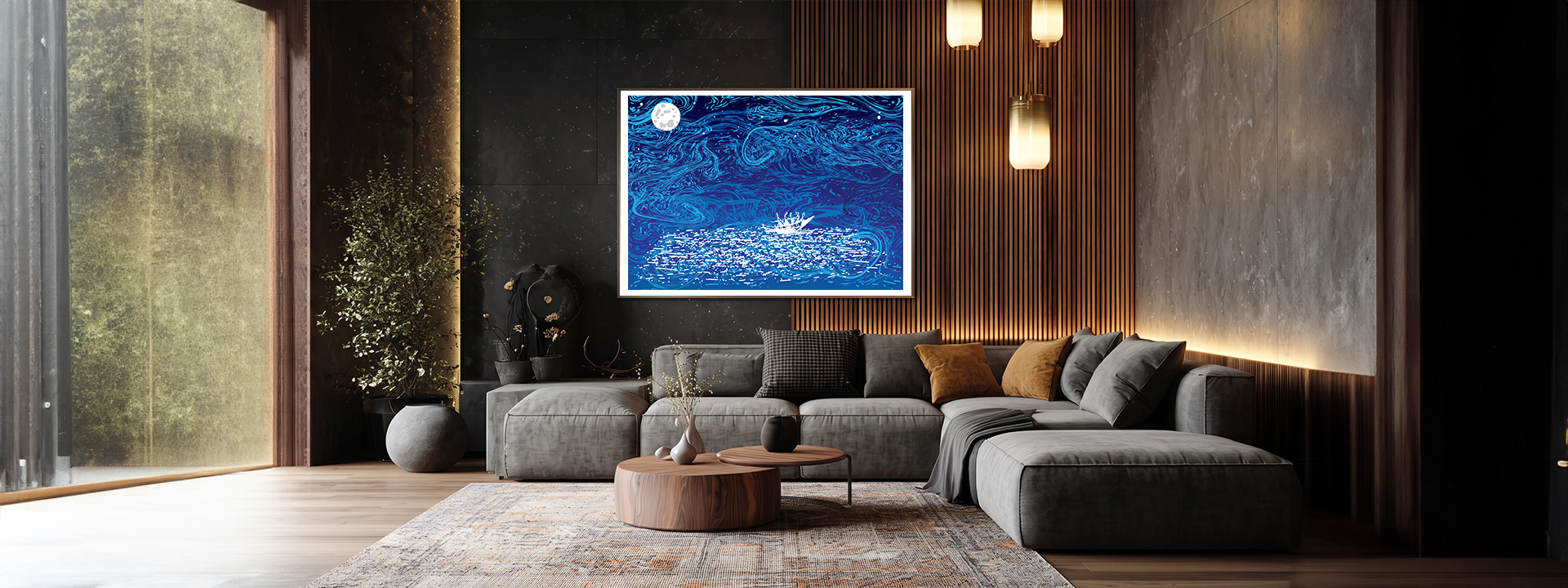
Your living room is the perfect place to showcase artwork that reflects your personality and sets the tone for your home. Spacious walls are ideal for bold, eye-catching statement pieces, while compact areas work beautifully with smaller, carefully chosen artworks. Rather than focusing solely on matching your furniture or colour scheme, choose a piece that inspires you, captures your interest, and makes your space feel uniquely yours.
Bedrooms
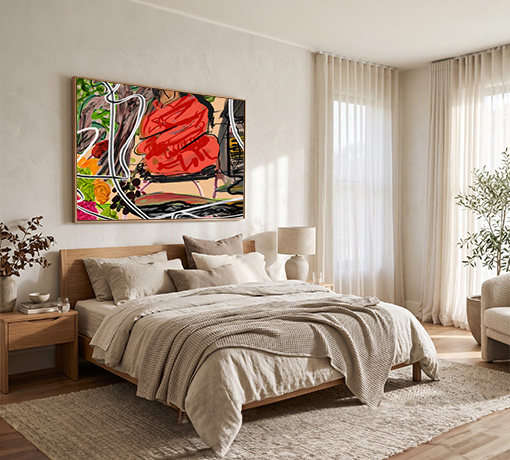
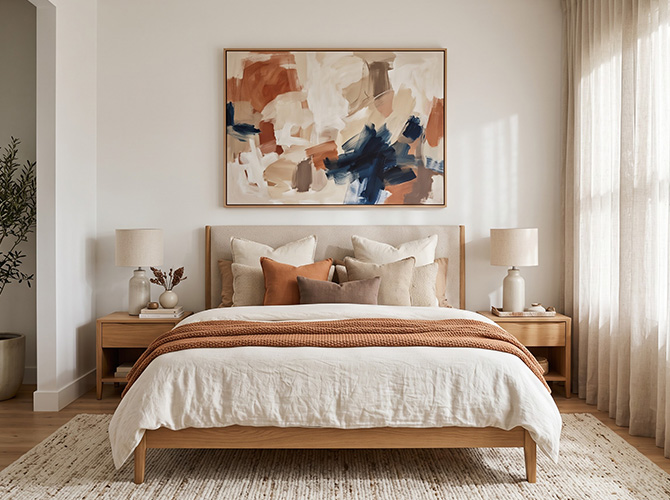
Your bedroom is a personal retreat where art can reflect your taste and create the atmosphere you love. Choose pieces that bring a sense of calm and relaxation, introduce vibrant colours and energy, or hold a special meaning for you. Whether it’s a soothing landscape, an expressive abstract, or a cherished favourite, the right artwork can make your bedroom feel more personal, comfortable, and inviting.
Kitchens
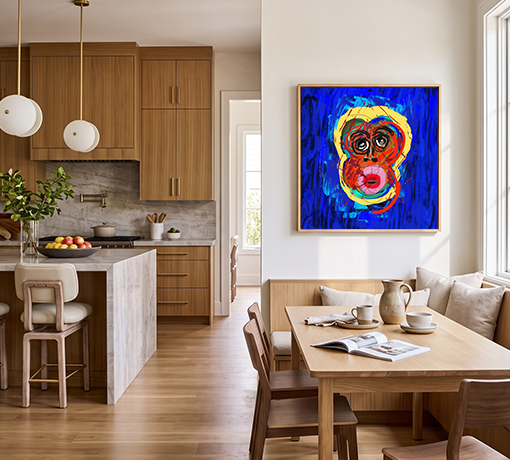
Your kitchen is more than a place to cook—it’s a space for gathering, sharing meals, and creating everyday memories. Choose artwork that adds warmth, colour, and personality while complementing the overall feel of the room. Playful illustrations, vibrant still lifes, or food-inspired paintings can bring the space to life. For the best placement, display your artwork away from cooking areas, heat, steam, and splashes to keep it protected and looking its best.
Dining Rooms
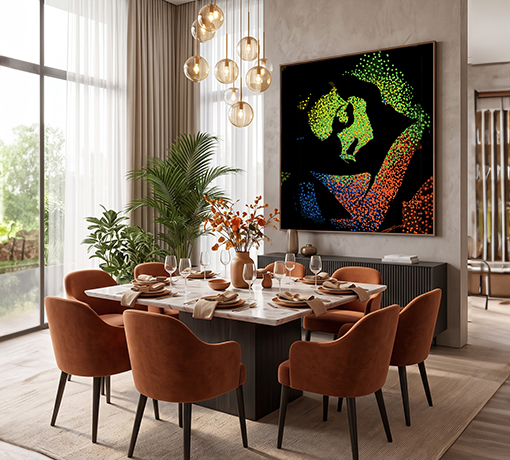
Your dining room is a place where good food, meaningful conversations, and memorable moments come together. The right artwork can enhance the atmosphere and give guests something beautiful to admire and talk about. Consider expressive paintings, captivating abstract pieces, or artwork with personal significance that complements your dining space. Choose a piece that adds character and creates a welcoming setting for everyday meals and special occasions alike.
Hallways and Staircases
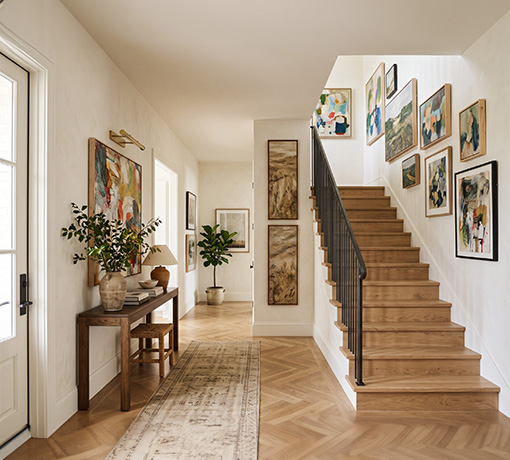
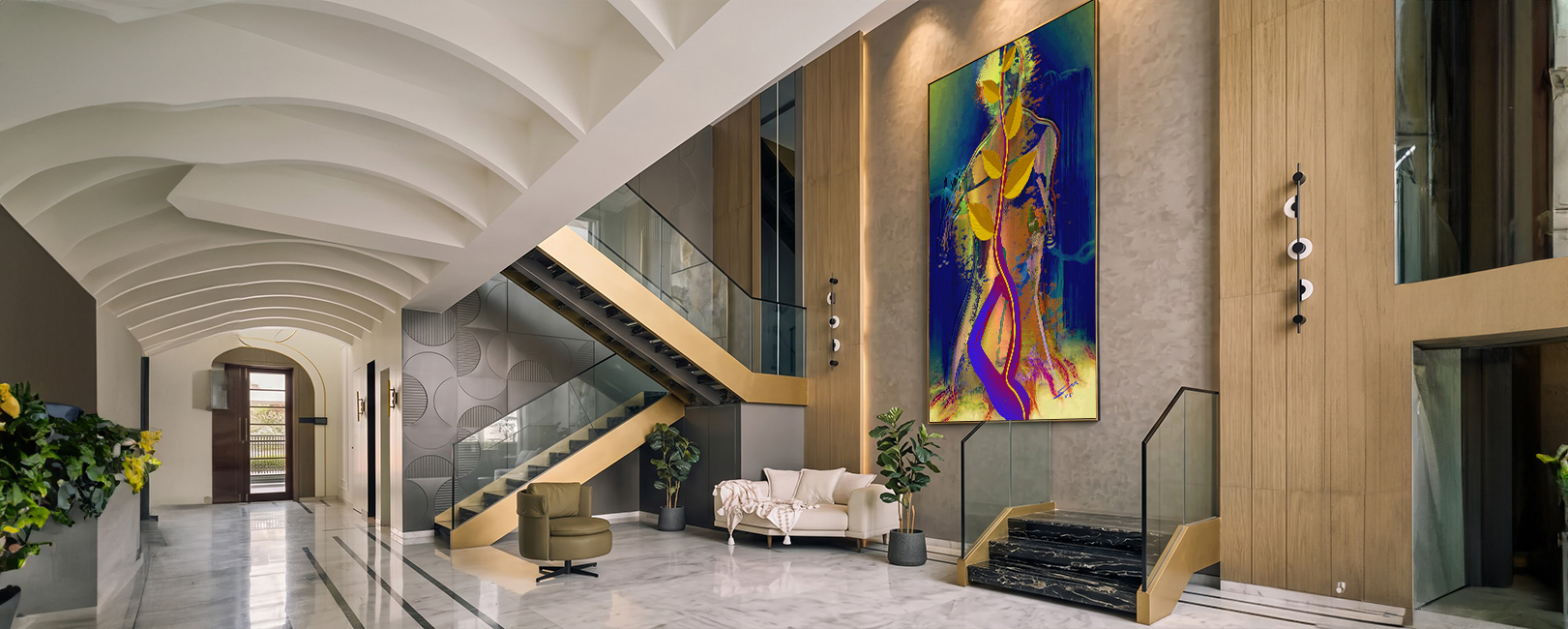
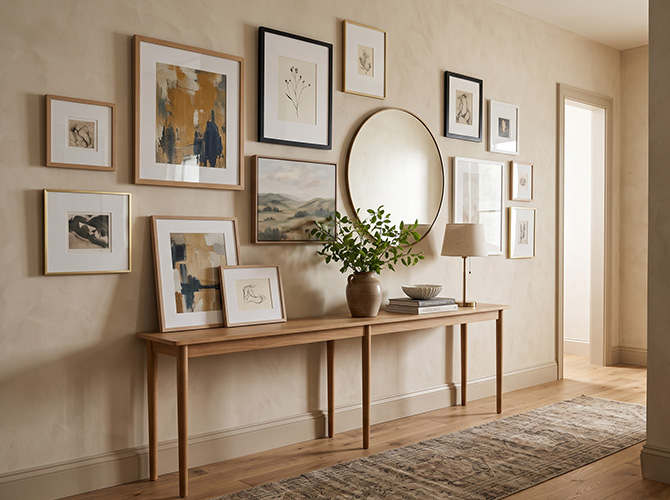
Hallways and staircases are ideal spaces to make a memorable first impression with art. Choose bold colours, eye-catching designs, or distinctive compositions that bring otherwise overlooked areas to life. For narrow walls, vertical artwork can create a balanced look while making the most of the available space. As these areas see frequent movement, ensure each piece is securely mounted, particularly along staircases, to keep your artwork safe and beautifully displayed.
Overlooked Spaces
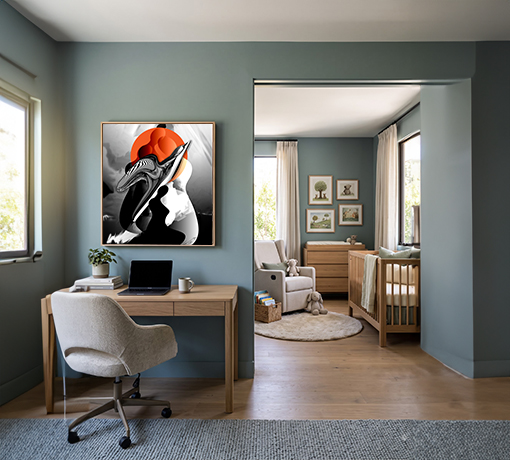
Home offices and nurseries offer wonderful opportunities to make everyday spaces more inspiring through art. In a home office, choose artwork that sparks creativity, encourages focus, or adds a refreshing touch to your work environment. For nurseries, look for playful illustrations, gentle colours, or imaginative designs that create a warm and welcoming atmosphere while remaining suitable as your child grows. Even in rooms that receive less attention, the right artwork can add personality, comfort, and a little inspiration to your daily routine.
Choosing the Perfect Size
Choosing the right artwork size can feel challenging for first-time buyers, but it’s all about finding the right balance. Select a piece that complements your space, stands out beautifully, and fits naturally on the wall without feeling too small or overpowering the room.
Position Your Art at the Right Height
The way you hang your artwork can make a big difference in how it looks and feels within a room. As a general guideline, position the center of the piece about 57–60 inches above the floor to create a comfortable viewing experience. When placing art above furniture, focus on achieving visual harmony rather than following measurements alone. For sofas, beds, or fireplaces, choose artwork that spans around two-thirds to three-quarters of the furniture’s width to create a well-proportioned, balanced look.
Choose the Right Artwork Orientation
The shape of your artwork can influence the overall balance and feel of a room. Horizontal pieces are ideal for wider spaces, such as above sofas or beds, while vertical artwork adds height and works beautifully in narrow areas or hallways. Square pieces offer a versatile option that fits effortlessly into a variety of spaces. Choose an orientation that complements your wall, furniture, and the overall style of your home.
Understanding Art Materials
In most cases, choosing art is simply about finding pieces you love. However, certain spaces and placements call for a little extra consideration to ensure your artwork stays beautiful and well-preserved for years to come.
Choosing Art for Humid Spaces
Bathrooms require extra care when selecting artwork because constant humidity can affect certain materials over time. Acrylic paintings and framed photographs are often more suitable for these spaces, while oil paintings, paper-based art, and delicate mixed-media pieces may need additional protection. To help preserve your artwork, keep it away from direct water splashes and ensure the room is well ventilated.
Kitchens
Kitchens expose artwork to heat, humidity, grease, and food splashes, so choosing durable pieces is essential. Acrylic paintings on canvas are a practical option, as they are generally easier to maintain and can be gently cleaned when necessary. Keep delicate paper-based artwork away from cooking areas, sinks, and other spots where it may be exposed to moisture or splatters.
UV Exposure & Color Preservation
Sunlight can gradually damage artwork, causing colors to fade and materials to deteriorate over time. Works on paper, watercolors, and pieces made with light-sensitive pigments are particularly vulnerable. To protect your collection, avoid hanging art in direct sunlight, choose UV-protective glazing for framed pieces, and use curtains or blinds to limit exposure during the brightest hours. Although oil and acrylic paintings are generally more durable, keeping all artwork away from prolonged, intense sunlight will help preserve its original beauty for years to come.
Art for Outdoor & Covered Spaces
Artwork displayed outdoors needs to withstand changing weather conditions, moisture, and temperature variations. Even sheltered patios can be exposed to humidity and indirect rain, which may damage pieces intended for indoor use. Choose artwork made from weather-resistant materials and finishes, or work with an artist to create a piece specifically designed for outdoor environments. This helps ensure your artwork remains attractive and durable throughout the seasons.
Complementing Your Interior Style
Choosing artwork that complements your furniture, wall colors, and overall décor can feel challenging, especially for first-time buyers. However, art doesn’t have to match everything perfectly. The right piece can enhance your interior style, introduce visual interest, and bring a room together in a way that feels natural and personal.
Balancing Colors: Matching vs. Complementing
When selecting artwork for your home, focus on creating a cohesive look rather than matching every color exactly. Choose pieces that echo a few shades already present in your space while introducing new tones that add depth and character. Warm-toned artwork can bring richness to a neutral interior, while a bold blue accent can connect different elements of the room. By balancing familiar colors with contrasting hues, you can create a space that feels coordinated, inviting, and full of personality.
Blending Art Styles and Subjects
Combining different art styles and subjects can bring depth, character, and individuality to your home. You can pair contemporary abstracts with traditional landscapes, or mix portraits with botanical prints to create an interesting visual balance. Rather than trying to make every piece look alike, focus on selecting artwork that reflects your interests and personal taste. Over time, these meaningful choices will create a collection that feels connected, unique, and naturally suited to your space.
Combining Artwork with Family Photos
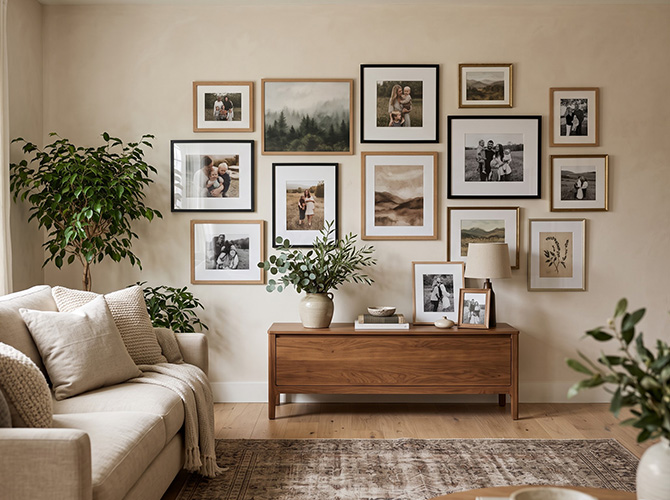
Family photographs, original artwork, and decorative wall hangings can work beautifully together to create a space that reflects your personality and memories. Arrange framed photos alongside paintings or prints in a gallery wall for a relaxed, layered look. Alternatively, let a larger artwork take center stage above a sofa or console, while displaying family photos in a separate arrangement. The key is to balance different pieces thoughtfully so each one contributes to a warm, personal, and visually appealing space.
When Your Art Preferences Evolve
Your relationship with art can change as your tastes, experiences, and living spaces evolve. A piece that feels perfect today may inspire a different perspective years from now, and that’s part of the joy of collecting art. You can move existing pieces to new rooms, experiment with different arrangements, or gradually introduce artwork that reflects your changing interests. Rather than worrying about making a permanent choice, focus on selecting pieces that resonate with you now and allow your collection to grow naturally over time.
Displaying Art Beautifully
After finding a piece you love, it’s time to decide how to showcase it in your home. From traditional framing to more relaxed display options, there are plenty of ways to present your artwork. The best approach depends on the piece itself, your available space, and the overall look you want to create.
Hanging vs. Leaning Artwork
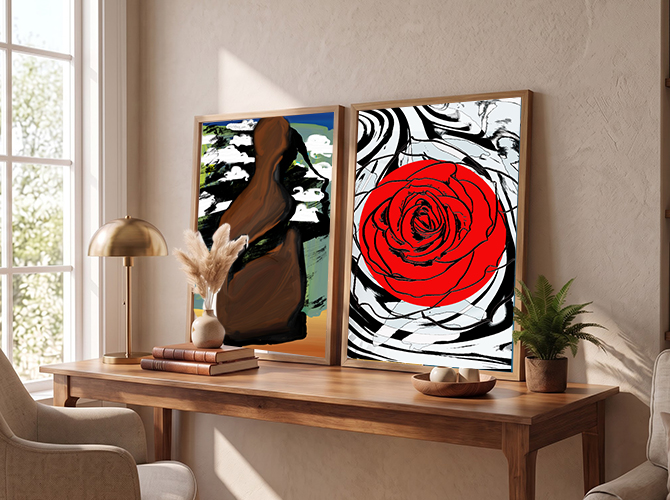
Artwork can make an impact whether it’s mounted on a wall or casually leaned against a surface. Placing pieces on shelves, mantels, or console tables adds a relaxed, contemporary feel and makes it easy to refresh your arrangement whenever you like. Wall-mounted artwork, on the other hand, creates a more structured display and works well above sofas, beds, or in busy areas where stability matters. Choose the method that best suits your space, lifestyle, and preferred aesthetic.
Should You Frame Your Artwork?
Framing depends on the type of artwork, the level of protection it needs, and the look you want to achieve. Paper-based pieces, such as drawings and watercolors, benefit from framing to protect them from dust, moisture, and damage. Canvas paintings with neatly finished edges can often be displayed without a frame for a clean, modern appearance. If you prefer a more refined, finished look, a frame can add an extra layer of style. For personalized guidance, reach out to our art advisory team.
Understanding Stretched vs. Unstretched Canvas
A stretched canvas is tightly secured over a wooden frame, giving the artwork its shape and allowing it to be displayed with minimal preparation. Unstretched canvas, by contrast, arrives as flexible fabric without a supporting frame and typically requires professional stretching or mounting before it can be hung. These artworks are generally shipped rolled in a protective tube rather than in a crate, so it’s important to consider the additional preparation needed before choosing this option.
Budgeting for Stretching and Framing
Preparing your artwork for display may involve additional costs, depending on its size and the finish you choose. Canvas stretching can cost around ₹38000-₹55000 or more, while custom framing may range from ₹15000 to ₹38000 or higher based on materials, matting, and protective glazing. To keep expenses manageable, consider ready-made frames in standard sizes or opt for a simpler frame design that complements your artwork without stretching your budget.
Artwork That’s Ready to Display
For a hassle-free experience, choose artwork that arrives fully prepared for hanging. Many artists offer stretched canvases with finished edges and hanging hardware already attached, while framed pieces are ready to display straight out of the box. Look for listings marked ready to hang or “framed” to simplify installation and enjoy your new artwork without the extra time and expense of professional framing.